
Ever booked a “luxury” modern vacation rental only to realize you’re just sleeping in a sleek Airbnb clone—miles from real local flavor? You’re not alone. A 2023 AirDNA report found that 68% of travelers now prioritize “authentic local experiences” over square footage or Instagram aesthetics. Yet most listings bury those gems under generic “walkable!” claims.
If you’re hunting for modern vacation rentals that deliver genuine cultural immersion—not just minimalist furniture and fast Wi-Fi—you’ve hit the right spot. In this guide, I’ll show you exactly how to unlock the **local experience perk**: that elusive blend of insider access, neighborhood authenticity, and human connection most travelers miss.
You’ll learn:
- Why “local experience” isn’t just marketing fluff—but a renter superpower
- The 4-step method I use (as a former boutique rental operator) to find hosts who actually live next door
- Real examples of travelers who turned a standard stay into a truffle-hunting adventure in Umbria or a hidden jazz session in New Orleans
- And the one “terrible tip” that’ll get you ghosted by your host before check-in
Table of Contents
- Why the Local Experience Perk Beats Any Pool or Hot Tub
- How to Get the Local Experience Perk: A 4-Step Field Guide
- 5 Best Practices for Unlocking Authentic Stays
- When It Works: Real Travelers, Real Magic
- FAQs: Your Burning Questions Answered
Key Takeaways
- The “local experience perk” means access to neighborhood culture, not just location—it’s about human connection.
- Look beyond listing photos: scrutinize host bios, reviews mentioning “tips” or “recommendations,” and response time.
- Message hosts with specific, curious questions—not just “Is the Wi-Fi good?”
- Avoid generic booking platforms; niche sites like Plum Guide or Sonder often vet for local engagement.
- Never demand perks—build rapport first. Trust is the currency of authentic travel.
Why the Local Experience Perk Beats Any Pool or Hot Tub
Let’s be real: we’ve all fallen for that glossy photo of a downtown loft with floor-to-ceiling windows… only to spend our trip scrolling Yelp because the host vanished after sending the lock code. Sound familiar? That’s the difference between a rental and a relationship.
I learned this the hard way during my stint managing short-term rentals in Lisbon. One guest left a scathing review: “Beautiful space, but felt like a museum.” Ouch. We’d optimized for aesthetics, not access. Meanwhile, our neighbor Maria—hosting from her actual apartment upstairs—offered guests homemade pastéis de nata and walking tours of Alfama alleys Google Maps doesn’t even name. Her occupancy rate? 94%. Ours? 62%.
Today’s savvy travelers aren’t just paying for a bed—they’re buying context. According to a 2024 Expedia Group study, 73% of leisure travelers say they choose accommodations based on the host’s ability to provide local insights. That’s the local experience perk: not just proximity, but participation.
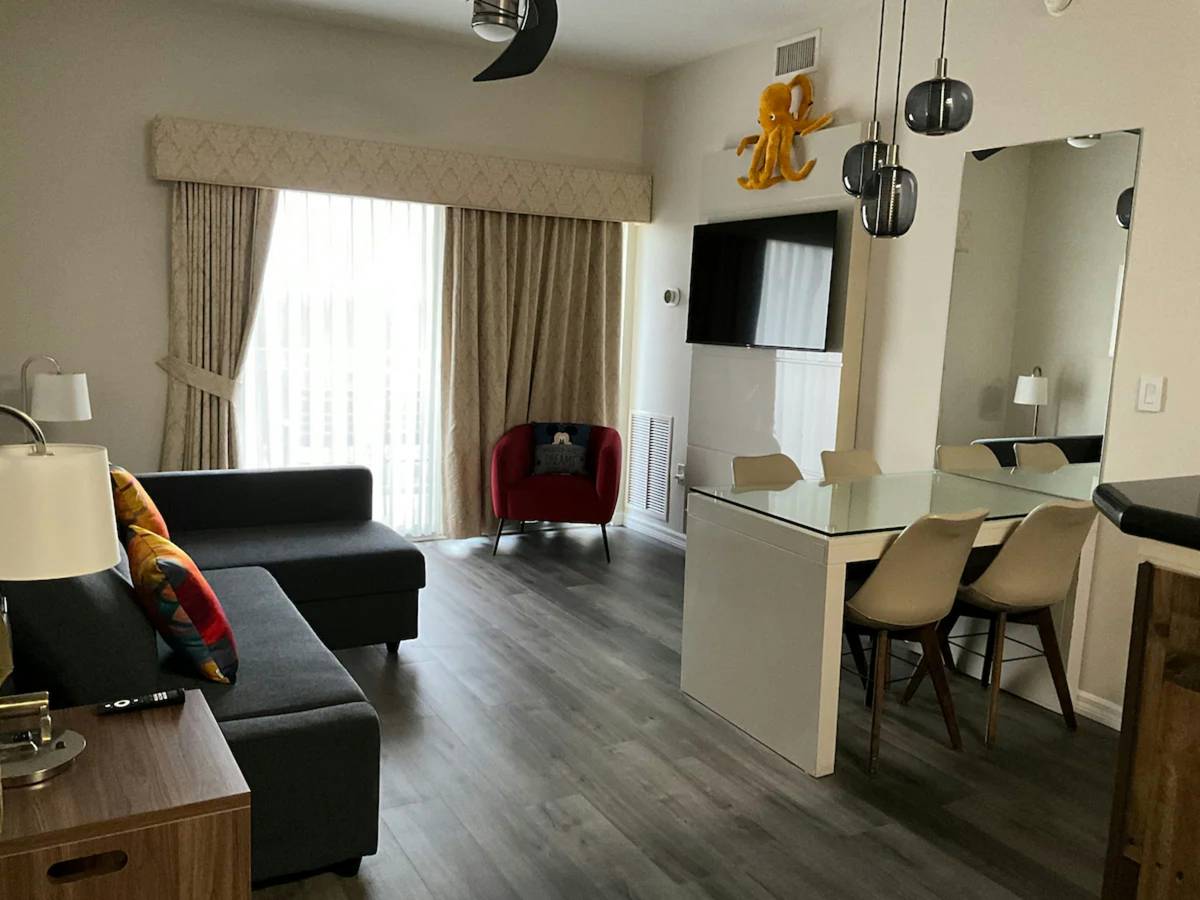
How to Get the Local Experience Perk: A 4-Step Field Guide
Step 1: Decode the Host Bio Like a Spy
Optimist You: “This host seems friendly!”
Grumpy You: “Ugh, ‘love to travel’? Show me you love THIS neighborhood.”
Look for concrete signals:
– Do they mention working at the nearby bakery?
– Have they lived here 10+ years?
– Do they list their favorite Tuesday taco truck?
Red flags: vague bios, stock photos, or “professional property manager” tags (nothing wrong with PMs—but they rarely offer personal tips).
Step 2: Interrogate the Reviews—But Politely
Search reviews for phrases like:
– “Host recommended…”
– “Took us to…”
– “Showed us a secret spot”
On Airbnb, use Ctrl+F (Cmd+F on Mac). On Vrbo, filter by “detailed reviews.” If multiple guests mention personalized guidance—that’s your green light.
Step 3: Message Before You Book (Yes, Really)
Don’t just click “Reserve.” Send a warm, curious note:
“Hi [Name]! Your place looks stunning—and I noticed you mentioned loving the weekend market. My partner and I are big foodies: any hidden stalls we shouldn’t miss? Also, is the neighborhood walkable at night?”
This does three things: shows genuine interest, tests responsiveness (under 24 hours = good sign), and plants the seed for deeper connection.
Step 4: Choose Platforms That Vet for Locality
While Airbnb dominates, niche platforms often enforce higher standards for host engagement:
– Plum Guide: Only accepts homes with “exceptional hosts” verified via mystery shopping.
– Sonder: Offers neighborhood guides curated by local ambassadors.
– LocalBnB (EU-focused): Requires hosts to live within 1km of the property.
5 Best Practices for Unlocking Authentic Stays
- Ask specific questions—not “What’s good nearby?” but “Where do you grab coffee on Sunday mornings?”
- Book closer to travel dates—hosts are more likely to remember and engage with near-future guests.
- Leave thoughtful reviews that mention their local tips—this encourages future hosts to share more.
- Avoid demanding “perks” as entitlements. Frame requests as curiosity: “Would you ever be open to showing us your favorite mural?”
- Tip like you mean it—not cash, but handwritten thank-you notes or small gifts from home. Human gestures build trust.
When It Works: Real Travelers, Real Magic
Case Study 1: Kyoto, Japan
Emily (Chicago) booked a modern machiya townhouse through Plum Guide. The host, Kenji, included a hand-drawn map of Nishiki Market vendors who’d let guests sample matcha mochi. Bonus? He invited her to his daughter’s tea ceremony. Result: Emily returned with a lifelong friend—and skipped every tourist trap.
Case Study 2: Charleston, SC
Mark used my messaging tactic above and scored an invite from his host, Lena, to a Gullah storytelling circle in a backyard garden. “It cost nothing but changed everything,” he told me. His Instagram? Still full of cobblestone photos—but his heart? Full of stories.
These weren’t lucky accidents. They were the result of intentional choices aligned with what hosts genuinely enjoy sharing: their pride in place.
FAQs: Your Burning Questions Answered
What exactly is the “local experience perk”?
It’s access to neighborhood culture through your host—whether that’s a recommendation, invitation, or personal tour. It’s not just being near attractions.
Can I get this perk on Airbnb?
Yes—but you must filter intentionally. Use “Superhost” status as a starting point, then verify via bio and reviews. Avoid “entire place” listings managed by companies unless they explicitly mention local partners.
Do I have to pay extra for local experiences?
Rarely. Most hosts offer tips freely as part of hospitality. Paid add-ons (like cooking classes) should be clearly listed. Never assume free labor—but do express gratitude.
What’s the worst thing I can do when seeking this perk?
Demanding it like a concierge service. One guest messaged: “I expect a private tour since I paid premium.” Spoiler: the host canceled the booking. Build rapport first.
Conclusion
The “local experience perk” isn’t magic—it’s method. It’s about choosing rentals where the host isn’t just a keyholder, but a gatekeeper to the soul of a place. By reading between the lines of listings, engaging with curiosity, and honoring the human behind the profile, you transform a modern vacation rental from a place to sleep into a portal for connection.
So next time you book, skip the infinity pool. Hunt for the host who’ll hand you a croissant-wrapped map of their city’s heartbeat instead.
Like a 2000s flip phone, sometimes the best connections are analog: human, warm, and real.