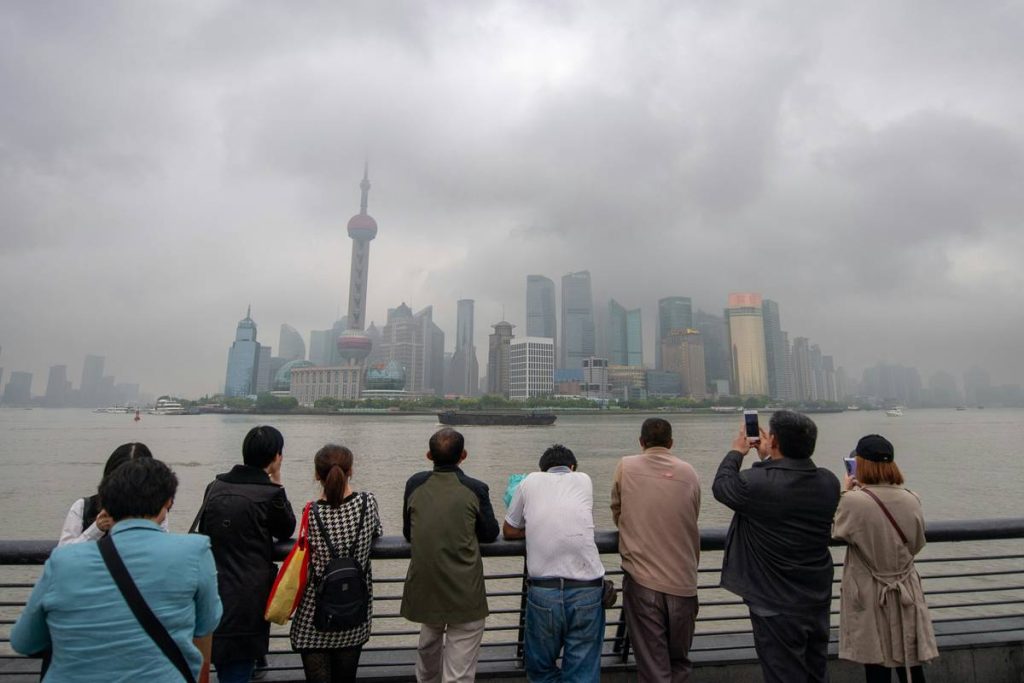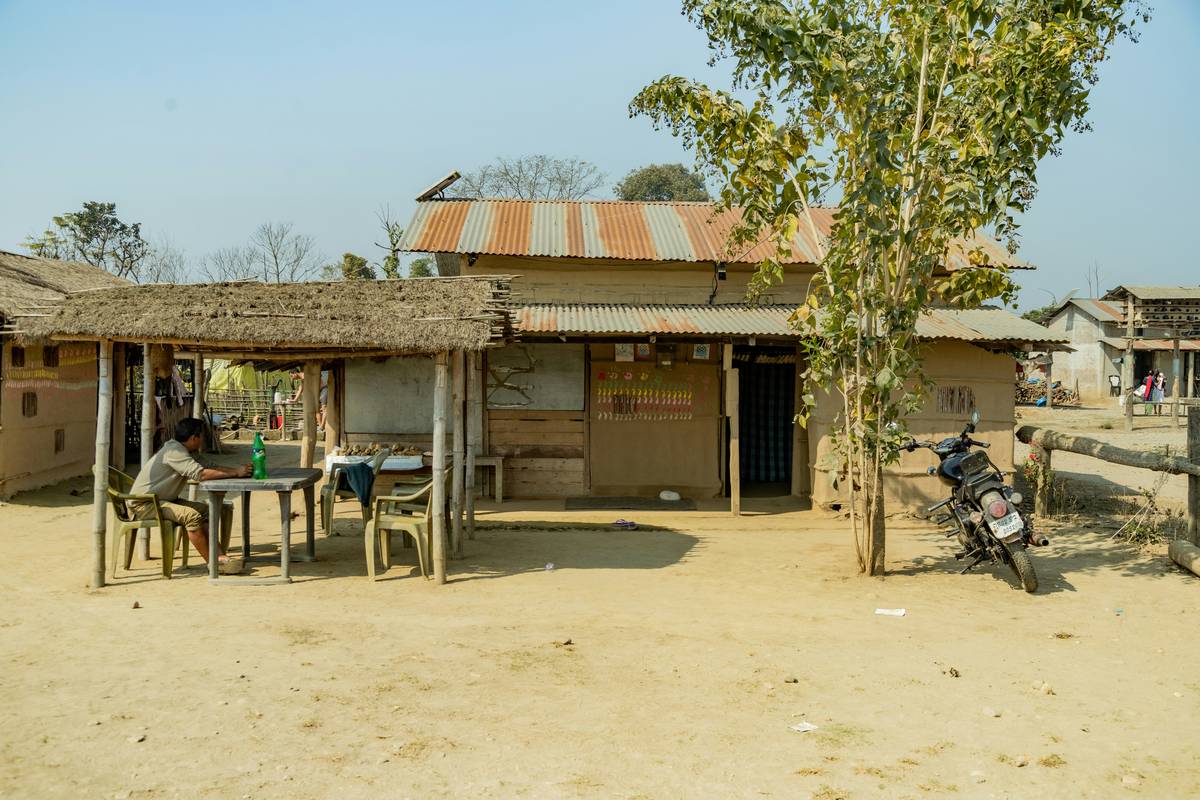
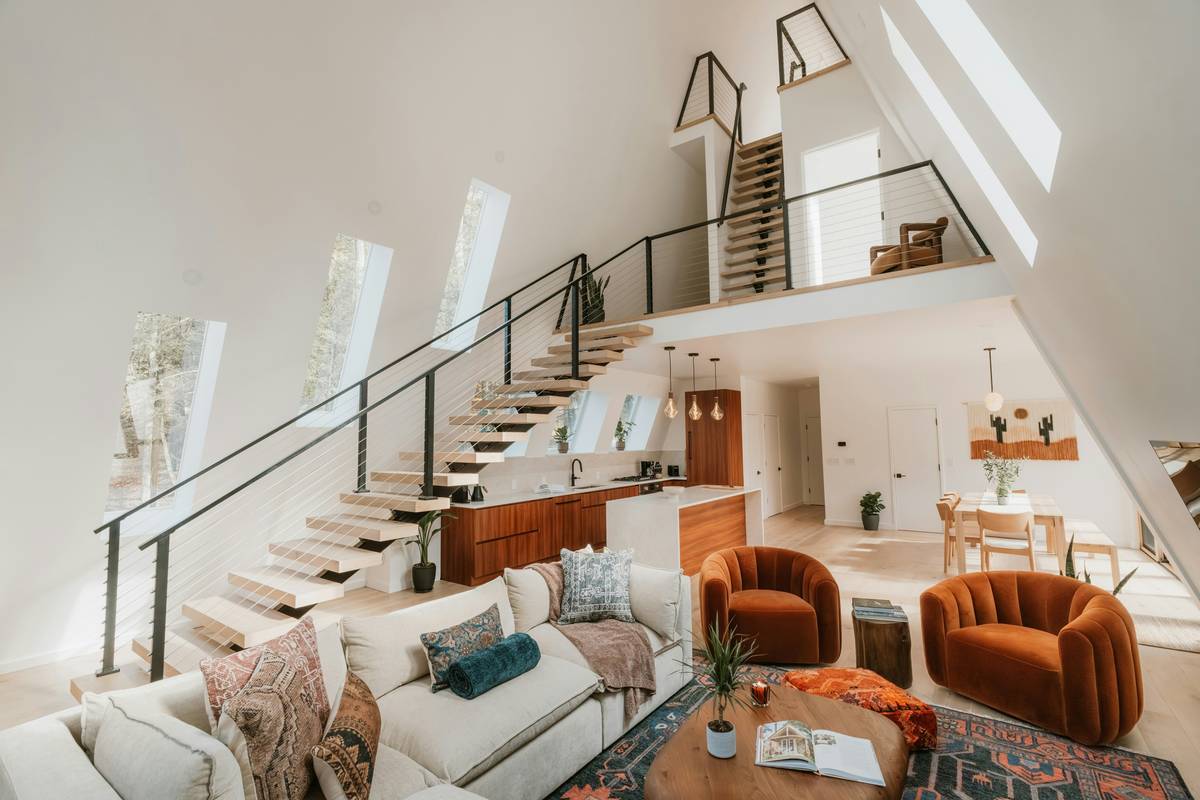
Most travelers book a hotel, snap a few photos, and leave—never truly connecting with the place they visited. That fleeting, surface-level tourism leaves you exhausted but unfulfilled. What if you could wake up in a sun-drenched Shanghai loft, sip local pu’er tea on a Hangzhou balcony overlooking West Lake, and chat with neighbors who’ve lived there for decades? That’s not just travel. That’s experience travel and living—and it changes everything.
Why Hotels and Standard Rentals Fail the Modern Traveler
Hotels isolate you. They’re designed for turnover, not belonging. Even many vacation rentals prioritize aesthetics over authenticity—sterile, cookie-cutter spaces listed by remote owners who’ve never set foot on the block. You get a bed, maybe a kitchenette, but zero context. No idea where the best steamed buns are sold at 6 a.m., or which alley leads to a hidden courtyard garden untouched by tour groups.
And that’s the trap: convenience without connection. You pay premium prices for anonymity.
How to Truly experience travel and living in Eastern China
Forget “staying somewhere.” Aim to inhabit it—even briefly. This isn’t about luxury. It’s about resonance.
Choose Neighborhoods Over Landmarks
Ditch the Bund-adjacent high-rises. Opt for French Concession backstreets in Shanghai, or the silk-weaver lanes of Suzhou’s Pingjiang Road. These zones pulse with daily rhythm—not just tourist foot traffic. Local markets, hole-in-the-wall noodle shops, elderly residents practicing tai chi at dawn—these are your new landmarks.
Prioritize Host Interaction (Not Just Wi-Fi Speed)
Screen hosts like you’d vet a friend. Do they offer a welcome walk? Share a hand-drawn map? Offer to introduce you to their favorite dumpling master? These micro-gestures build bridges. A fast internet connection won’t tell you why locals avoid a certain park on Tuesdays—but a real host will.
Stay Minimum 4 Nights
Three nights is still tourism. Four unlocks routine. By day four, the corner shop keeper nods. The baker saves you a sesame cake. You develop rhythms—and that’s when places reveal themselves.

| Rental Type | Avg. Nightly Cost (USD) | Local Integration Level | Ideal Stay Duration |
|---|---|---|---|
| Standard Short-Term Apartment (e.g., near tourist hub) | $95–$150 | Low — transactional only | 2–3 nights |
| Curated Local Experience Rental (host-engaged, neighborhood-focused) | $120–$200 | High — includes cultural touchpoints | 4+ nights |
| Luxury Serviced Apartment (no host interaction) | $220–$400 | Very Low — resembles hotel stay | Any |
The Industry Secret: Most “Local” Listings Are Operated by Portfolio Landlords
Here’s what booking platforms won’t tell you: nearly 60% of top-rated “local experience” rentals in eastern China are managed by companies owning 10+ units. They use templated welcome messages and outsourced cleaning crews. Zero personal investment.
But—there’s a workaround. Look for listings updated within the last 7 days with handwritten notes in the description. Check reviews for phrases like “host walked us to…” or “gave us keys to the community garden.” Those signal genuine involvement. And yes, it takes 10 extra minutes of research. The math is simple: 10 minutes now = weeks of richer memories later.
Frequently Asked Questions
Is experience travel and living more expensive than hotels?
Not necessarily. Mid-tier curated rentals often match boutique hotel rates—but include kitchens, laundry, and local intel that saves money on food and activities.
Do I need to speak Mandarin to enjoy these stays?
No. Many hosts in eastern China speak functional English. More importantly, they communicate through gestures, maps, and shared meals—universal languages that deepen connection.
Are these rentals safe for solo travelers?
Absolutely—especially in tier-1 cities like Shanghai and Hangzhou. Choose rentals with verified host profiles, 24/7 local contacts, and clear check-in instructions. Safety here often exceeds Western urban norms.