Ever booked a “stylish” vacation home only to find yourself stuck in a sterile Airbnb that feels like a dentist’s waiting room—with better lighting but zero soul?
You’re not alone. According to AirDNA’s 2023 report, over 68% of travelers now prioritize “authentic local immersion” over generic luxury. Yet most modern rentals still miss the mark—sacrificing neighborhood character for Instagrammable minimalism.
That’s where the local experience perk mid century modern rental comes in: not just a place to sleep, but a curated portal into the city’s rhythm, wrapped in Eames-era cool.
In this guide, you’ll discover:
- Why mid-century modern design isn’t just aesthetic—it’s a gateway to deeper travel
- How to spot rentals that actually deliver authentic local perks (not just key drop-offs)
- Real examples of properties blending architecture, community, and convenience
- The one “perk” that’s actually a red flag (yes, I fell for it too)
Table of Contents
- Why Mid-Century Modern Rentals Are More Than Just Design
- How to Find a Rental with Real Local Experience Perks
- Best Practices for Maximizing Your Local Immersion
- Real Case Study: Palm Springs Done Right
- FAQ: Local Experience Perk Mid Century Modern
Key Takeaways
- The true “local experience perk” includes neighborhood access, insider knowledge, and cultural context—not just free coffee.
- Mid-century modern rentals often sit in historic districts with walkable access to local gems.
- Look for hosts who are residents, not investors—they’re far more likely to share authentic tips.
- Avoid listings that say “designer home” but offer zero interaction or local curation.
Why Mid-Century Modern Rentals Are More Than Just Design?
Let’s be real: I once booked a “mid-century modern gem” in Joshua Tree only to arrive at a prefab box painted avocado green with a fake teak sideboard from IKEA. No local map. No neighborhood recs. Just me, a dusty succulent, and existential dread at 2 a.m.
Mid-century modern architecture—born between 1945 and 1975—isn’t just clean lines and atomic clocks. It emerged during an era of postwar optimism, suburban expansion, and deep connection to indoor-outdoor living. Architects like Richard Neutra, Albert Frey, and Joseph Eichler designed homes that responded to climate, landscape, and community.
Today’s best local experience perk mid century modern rentals honor that legacy—not by slapping a vintage lamp in the corner, but by situating you in neighborhoods where the architecture still breathes with daily life.
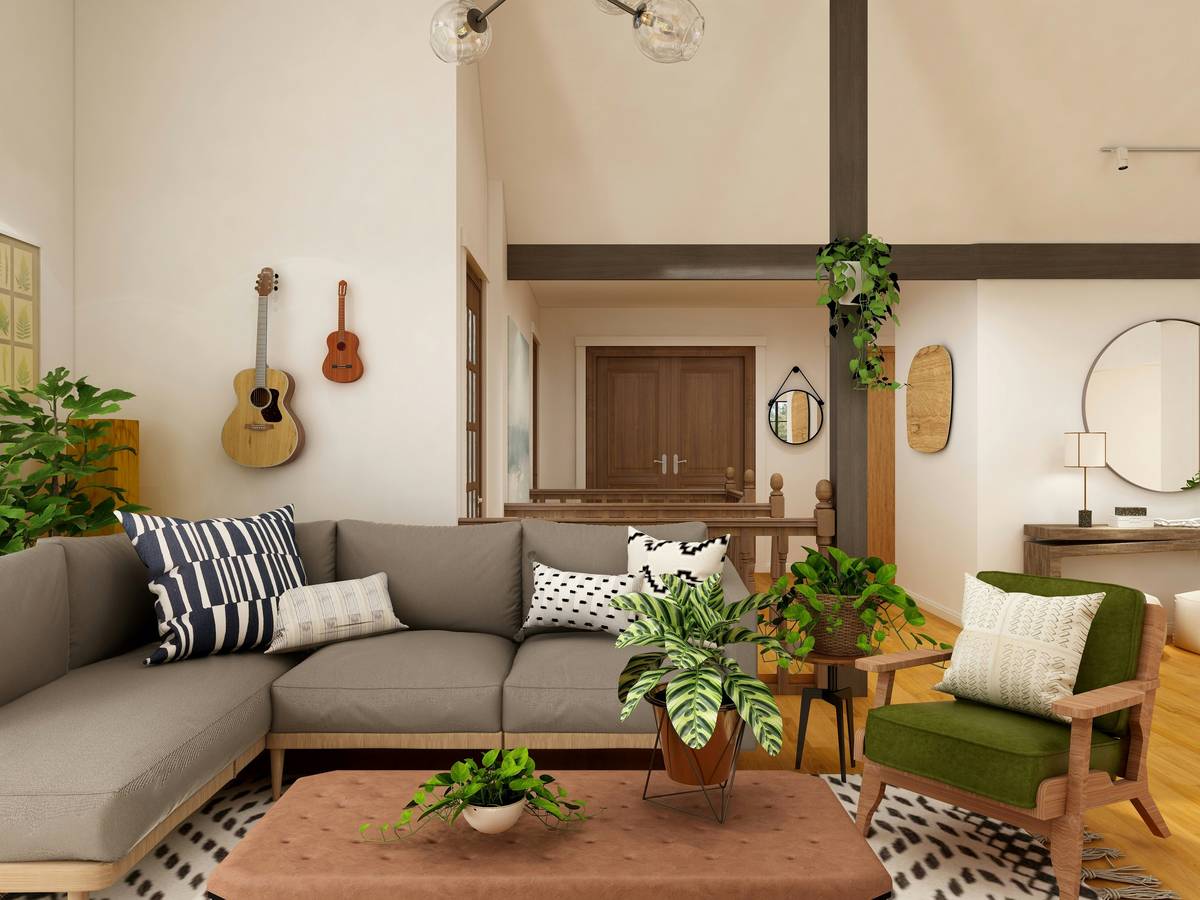
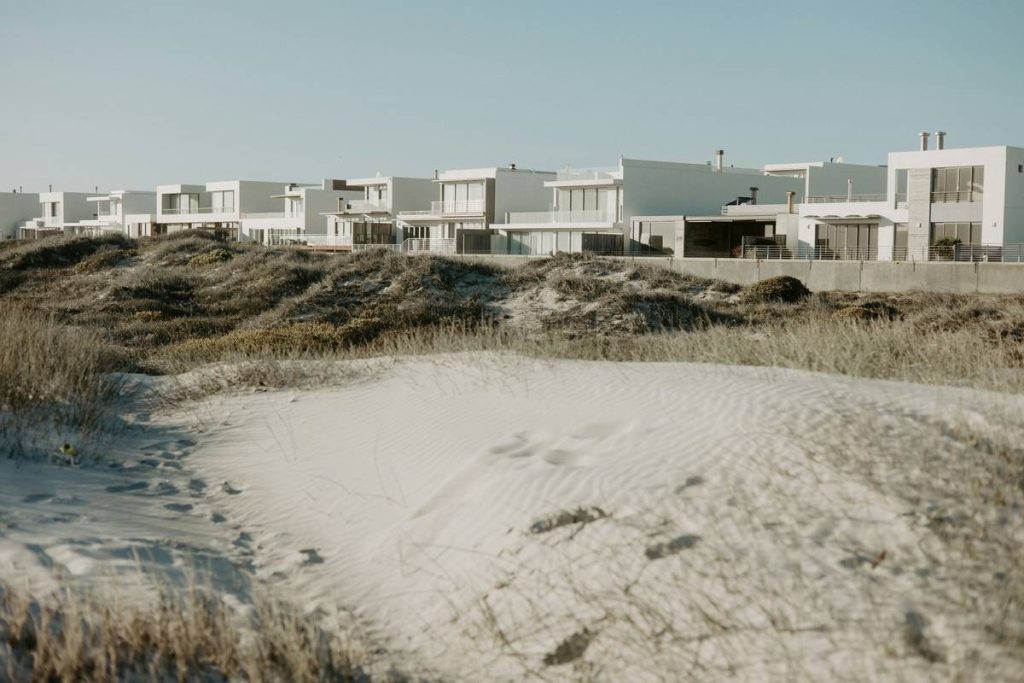
Cities like Palm Springs, Austin, Sarasota, and Portland have preserved entire tracts of MCM homes—and smart hosts leverage that heritage to offer guests something algorithms can’t replicate: human connection to place.
How to Find a Rental with Real Local Experience Perks?
Not all “experiences” are created equal. That free bottle of wine? Cute. A handwritten walking guide to your host’s favorite taco truck and indie bookstore? Chef’s kiss.
What exactly counts as a “local experience perk”?
Optimist You: “Anything that connects me to the neighborhood!”
Grumpy You: “Ugh, fine—but skip the ‘artisanal’ soap unless it’s actually useful.”
True local perks include:
- Curated neighborhood guides (PDF or physical booklet)
- Pre-stocked pantry with local goods (think Texas olive oil or Oregon hazelnuts)
- Invites to community events (farmers markets, gallery walks)
- Direct contact with a resident host for last-minute advice
Step 1: Filter for “Hosted by Local”
On Airbnb and Vrbo, check if the host lives nearby or mentions their long-term residency. Profile bios like “Palm Springs native since 2008” beat “Portfolio owner with 12 properties.”
Step 2: Read Between the Amenities
Scroll past the “smart TV” and “fast Wi-Fi.” Look for phrases like:
- “We’ll text you our favorite sunrise hike”
- “Local coffee beans from [neighborhood roaster] provided”
- “5-minute walk to downtown murals and vinyl shop”
Step 3: Verify Walk Score
Use Walk Score to confirm the property isn’t stranded in a car-dependent zone. Aim for 70+ for true local immersion.
Best Practices for Maximizing Your Local Immersion
- Message your host before arrival. Ask: “What’s one thing tourists always miss?” Their answer reveals everything.
- Skip the rental car if possible. MCM neighborhoods were often designed for pedestrians. Walking = accidental discovery.
- Visit local institutions early. Hit the farmers market at opening—vendors are chattier and produce is freshest.
- Leave the itinerary loose. The magic happens when you follow a mural down an alley and end up at a hidden courtyard café.
Terrible Tip Disclaimer
“Book the cheapest MCM rental and wing the local stuff.” Nope. Cheap rentals in historic zones are often investor-owned shells with no community ties. You’ll spend more on Ubers and miss the vibe entirely.
Real Case Study: Palm Springs Done Right
Last spring, I stayed at The Frey House II Adjacent Bungalow—not the actual Frey house (that’s a museum), but a 1958 build two blocks away, owned by Lena, a third-generation Palm Springs resident.
Her “local experience perk mid century modern” package included:
- A linen-bound guide titled “Where the Locals Hide” with hand-drawn maps
- Reservation assistance at Workshop Kitchen + Bar (hard to book!)
- Access to her uncle’s private key for the Tahquitz Creek trail extension
- Free bike rental from her garage
Result? I spent mornings with retirees at El Mirador Park, afternoons sketching mid-century facades, and evenings sipping mezcal at a backyard bar only accessible via a coded gate. Zero tourist crowds. Total immersion.
Lena later told me she rejects bookings from guests who ask, “Is there an Uber nearby?” Her filter ensures her home serves travelers who value place over convenience.
FAQ: Local Experience Perk Mid Century Modern
Are mid-century modern rentals more expensive?
Not necessarily. In secondary markets like Albuquerque or Spokane, well-maintained MCM homes rent for $120–$180/night—often less than generic “luxury” condos. Premium pricing usually applies in hotspots like Palm Springs or Scottsdale.
How do I verify a rental is truly mid-century?
Ask for architectural details: flat planes, clerestory windows, post-and-beam construction, integration with nature. Reputable listings often cite architects or original build year.
What if I don’t care about design—just want local access?
Fair! But MCM neighborhoods tend to be walkable, historically intact, and host-rich. The design is the vehicle; the local experience is the destination.
Can I find these on Booking.com?
Rarely. These gems live on Airbnb, direct-host websites, or boutique platforms like OneFineStay. Investor-heavy platforms strip away the personal touch.
Conclusion
The “local experience perk mid century modern” isn’t a marketing buzzword—it’s a philosophy. It’s choosing architecture that invites the outside in, staying with hosts who treat you like a guest, not a booking code, and trusting that the best travel moments happen unplanned, around the corner from your thoughtfully restored front door.
So next time you scroll listings, ask: Does this place connect me—or just contain me?
Like a Tamagotchi, your ideal trip needs daily nurturing—not just charging.
Haiku:
Teak shelves hold guidebooks,
Desert wind through sliding glass,
Taco truck at dawn.