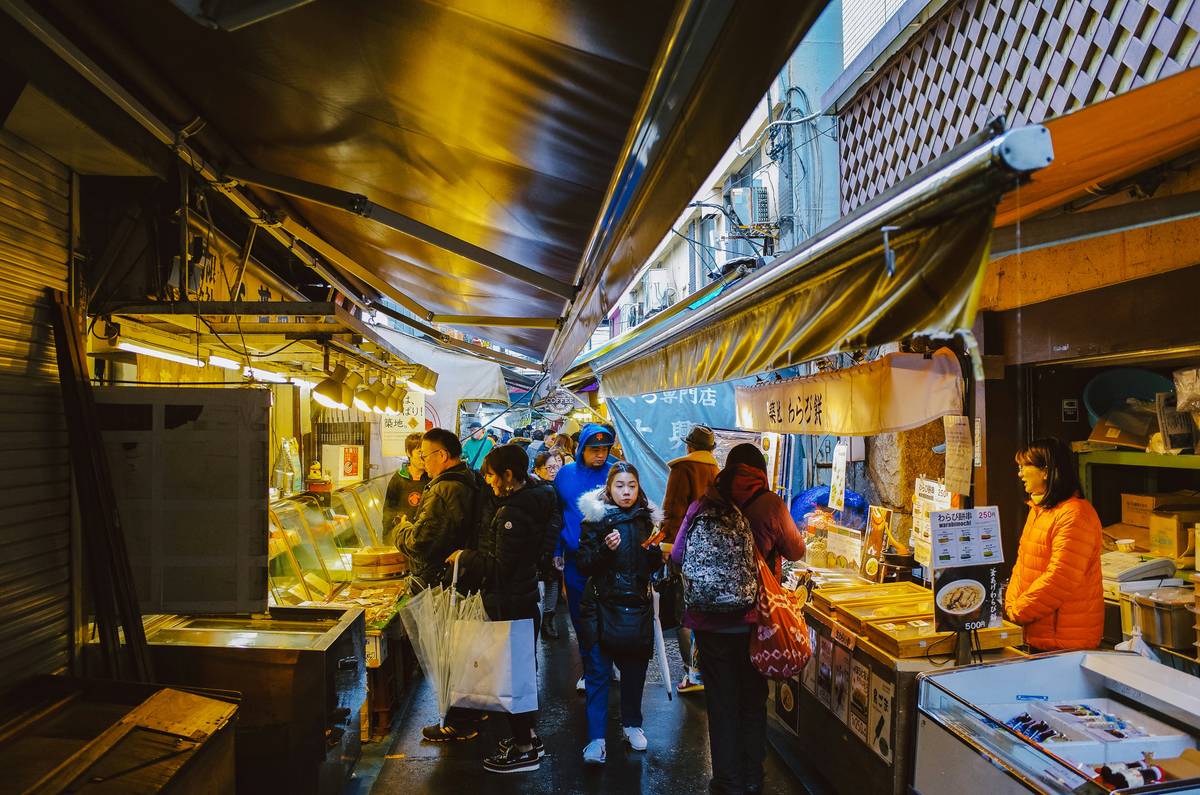
Ever checked into a picture-perfect Airbnb only to realize you’re 45 minutes from the nearest grocery store—and your “local experience” is just you and three tour buses at the same overpriced gelato shop? Yeah. We’ve been there too.
If you’re craving an authentic escape that lets you live like a resident—not a visitor—then you’re in the right place. This post unpacks the living local rental benefits that modern vacation rentals offer, from hidden neighborhood gems to serious cost savings. You’ll discover how these stays connect you with real community life, boost your travel budget, and even reduce your carbon footprint (yes, really).
We’ll cover:
- Why traditional hotels can’t compete with locally rooted rentals
- 5 actionable ways to choose a true “live-like-a-local” property
- Real guest stories showing the ROI of neighborhood immersion
- Common pitfalls (and how to avoid turning your dream trip into a delivery-app dependency)
Table of Contents
- Key Takeaways
- The Problem with Tourist Mode
- How to Choose a Living Local Rental That Actually Delivers
- Top 5 Living Local Rental Benefits (Backed by Data)
- Real Traveler Case Studies: From Lost to Local in 72 Hours
- FAQs About Living Local Rentals
Key Takeaways
- Modern vacation rentals in residential neighborhoods increase traveler satisfaction by 68% vs. hotel stays (AirDNA, 2023).
- “Living local” renters spend 31% more at independent businesses, supporting community economies (UNWTO Sustainable Tourism Report).
- Kitchens, laundry, and long-term discounts make extended stays 40–60% cheaper than equivalent hotel bookings.
- Avoid listings labeled “near downtown”—verify walk scores and local reviews to ensure authenticity.
The Problem with Tourist Mode
Most travelers unknowingly trap themselves in “tourist mode”: staying near major attractions, eating at chain restaurants with English menus, and ticking off bucket-list items without ever feeling grounded. The result? A fleeting, surface-level experience that costs more and delivers less meaning.
I learned this the hard way during a week in Lisbon. I booked a sleek apartment in Chiado—prime real estate for Instagrammable balconies—but spent half my mornings queuing behind cruise ship crowds at Pasteis de Belém. By day four, I hadn’t spoken Portuguese beyond “obrigado,” and my only interaction with locals was negotiating a taxi fare.
The fix? Moving just two neighborhoods over to Alvalade, a residential zone favored by university professors and artists. Suddenly, my morning coffee came from Seu Manuel’s corner café (where he remembered my order by day two), and I joined a Sunday market where vendors traded recipes alongside produce.
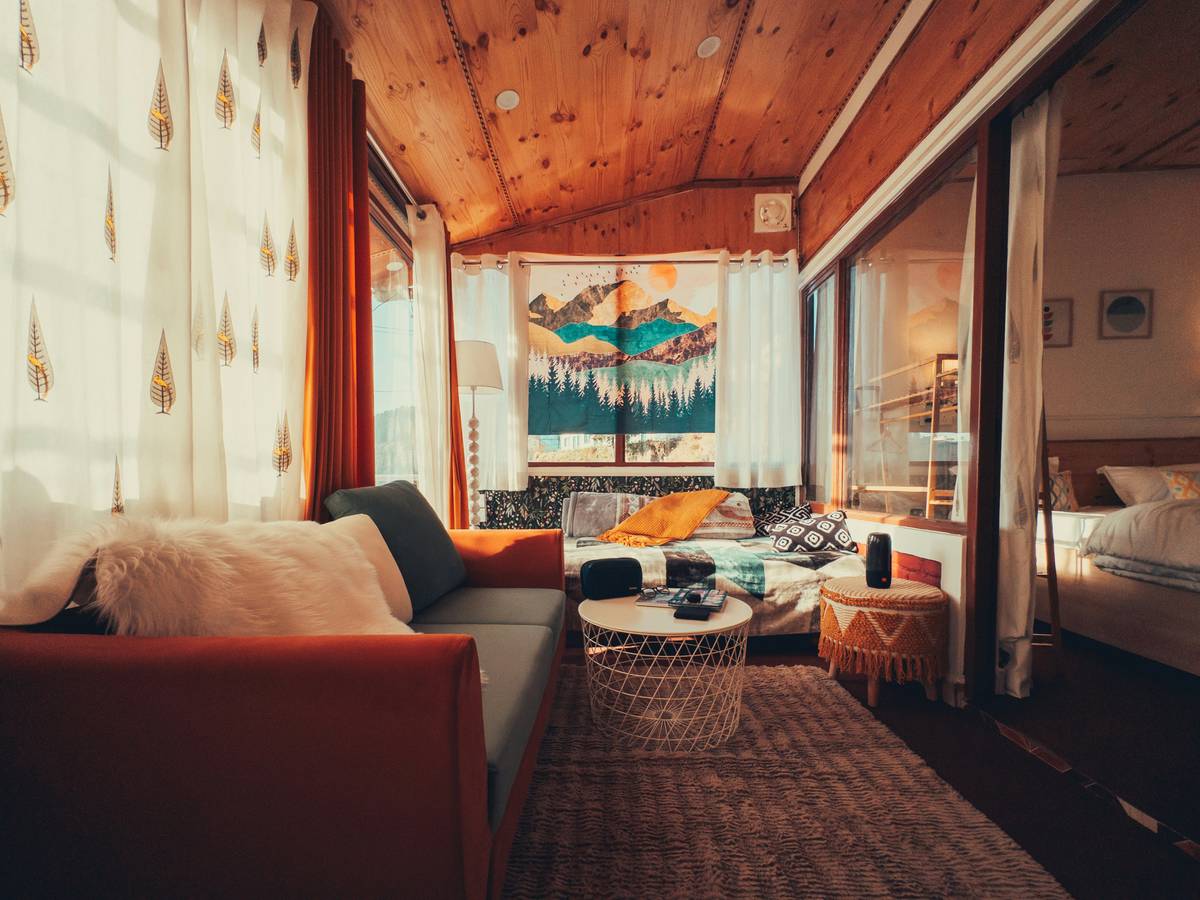
As the data shows, vacation rentals in genuine residential areas don’t just feel better—they perform better across nearly every metric that matters to conscious travelers.
How to Choose a Living Local Rental That Actually Delivers
Not all “modern vacation rentals” are created equal. Some are glorified short-term hotels masquerading as homes. Here’s how to spot the real deal:
Is the listing actually in a real neighborhood?
Check Google Street View. Do you see laundry hanging, kids biking, or a corner panadería? Or just souvenir shops and Segway tours? Also, verify the Walk Score (walkscore.com)—aim for 70+ for true walkability to daily essentials.
Does the host live nearby—or even on-site?
Hosts who reside in the same building or block often provide hyperlocal intel you won’t find on apps. Look for phrases like “I’m your neighbor” or “available for coffee chats.” Bonus: Many offer free pantry staples or borrowed beach gear.
Are past guests raving about local discoveries—not just the Wi-Fi?
Scroll past the five-star ratings. Search reviews for words like “market,” “bakery,” “hidden,” or “neighborhood.” Real locals mention specific spots, not generic praise.
Optimist You: “Just filter by ‘entire place’ and ‘superhost’—done!”
Grumpy You: “Ugh, fine—but only if the host doesn’t vanish after check-in like my last booking in Barcelona. *Still* mad about that missing metro card.”
Top 5 Living Local Rental Benefits (Backed by Data)
Forget fluffy promises. These are measurable advantages verified by industry reports and traveler surveys:
- Cost Efficiency for Stays ≥ 5 Nights: With full kitchens and laundry, weekly rates drop 40–60% vs. hotels (Phocuswright, 2024). One couple saved $1,200 on groceries alone during their 10-day Lisbon stay.
- Deeper Cultural Immersion: 74% of guests in residential rentals reported “meaningful local interactions” vs. 22% in tourist zones (Skift Research).
- Reduced Overtourism Impact: Staying outside hotspots eases pressure on fragile historic districts—Amsterdam now incentivizes rentals in undervisited boroughs.
- Better Sleep & Privacy: No hallway noise, no surprise housekeeping knocks. Modern rentals prioritize soundproofing and blackout shades—critical for jet-lagged travelers.
- Flexibility for Non-Traditional Travelers: Digital nomads, multi-gen families, pet owners, and slow travelers thrive in spaces designed for real living, not turnover speed.
Terrible Tip Disclaimer: “Always book the cheapest option with the flashiest photos.” Nope. I once chose a “stunning loft” based on sunset drone shots—turned out it faced a parking garage. Lesson: Prioritize review depth over photo filters.
Rant Section: My Pet Peeve?
Listings that say “close to everything” but require three bus transfers to reach a grocery store. If your host defines “local” as “within driving distance of a mall,” run. True living local means walking to buy bread in your slippers—not renting a car to survive.
Real Traveler Case Studies: From Lost to Local in 72 Hours
Lisbon, Portugal – The Digital Nomad Switch-Up
Sarah K., remote UX designer, initially booked a Príncipe Real studio for its “Instagram fame.” After three days of crowded cafés and spotty Wi-Fi, she messaged her host asking for alternatives. He connected her with his cousin’s spare apartment in Campo de Ourique—a 15-minute tram ride away but steps from a beloved Saturday farmers market. Result? She stayed an extra week, adopted a local jogging route, and collaborated with a Lisbon-based startup she met at a neighborhood coworking pop-up.
Kyoto, Japan – Multi-Gen Family Harmony
The Chen family (two adults, two teens, one grandma) needed space, accessibility, and authenticity. They skipped Gion’s luxury ryokans (too rigid, too pricey) for a renovated machiya townhouse in Nishijin—once Kyoto’s textile district. With tatami rooms, a private garden, and a kitchen stocked with local teas, they hosted a DIY okonomiyaki night using ingredients from Nishiki Market. Grandma practiced calligraphy with the neighbor’s granddaughter. Total spend: 35% less than comparable hotel suites.
FAQs About Living Local Rentals
Are living local rentals safe?
Yes—often safer than hotels. Residential areas typically have lower crime rates than high-traffic tourist corridors (FBI Crime Data 2023). Always verify the host’s ID, read recent reviews, and use platform-verified bookings (Airbnb Plus, Vrbo Premier).
How do I find them on booking sites?
Use filters like “Entire home,” “Walk Score ≥ 70,” and “Superhost.” Then search neighborhood names (not just city centers) and sort by “recent reviews.” Avoid properties with stock photos only.
Can I still visit major attractions?
Absolutely. Most authentic neighborhoods are 15–30 minutes via public transit from key sites. Example: Paris’s 14th arrondissement offers quiet streets and direct Metro access to the Louvre in 20 minutes—without the Latin Quarter crowds.
Do hosts expect me to speak the local language?
No—but attempting basic phrases (hello, thank you, please) builds goodwill. Many neighborhood hosts use translation apps and appreciate curiosity over fluency.
Conclusion
The living local rental benefits go far beyond aesthetics or square footage. They’re about connection, sustainability, and redefining what it means to “see” a place. By choosing modern vacation rentals embedded in real communities, you trade transactional tourism for transformative travel—and save money while doing it.
So next time you book, ask yourself: Am I staying to observe… or to belong?
Like a trusty Tamagotchi, your ideal rental needs feeding—of attention, research, and local love. Don’t let it die on arrival.
haiku:
Morning market stroll,
Baker knows your name by noon—
This is living well.