You spent a fortune restoring that mid century modern gem. You added sleek lighting, voice-controlled blinds, and a thermostat that learns your guests’ moods. Yet bookings are flat. Reviews mention “cool but confusing.” The problem isn’t the aesthetic—it’s the integration. Most hosts bolt on tech like an afterthought. But guests don’t want gadgets—they want seamless, intuitive comfort. Here’s how to fuse smart home amenity mid century modern design into one irresistible experience.
The Disconnect Between Aesthetics and Automation
Mid century modern thrives on minimalism: clean lines, honest materials, uncluttered spaces. Yet most smart home kits scream 2024—bulky hubs, rainbow LED strips, plastic sensors glued to teak walls.
That clash kills vibe faster than a broken espresso machine.
Worse, many rental hosts install systems designed for suburban McMansions—not compact, design-forward homes where every square inch whispers intentionality. The result? Guests fumble through apps instead of relaxing. They snap photos for Instagram—but leave one-star reviews about “tech overload.”
Smart Home Amenity Mid Century Modern: The Seamless Integration Blueprint
Forget slapping on Ring doorbells and calling it “smart.” Real integration respects the era while delivering invisible convenience. Start with restraint.
Choose Invisible Tech Over Flashy Gadgets
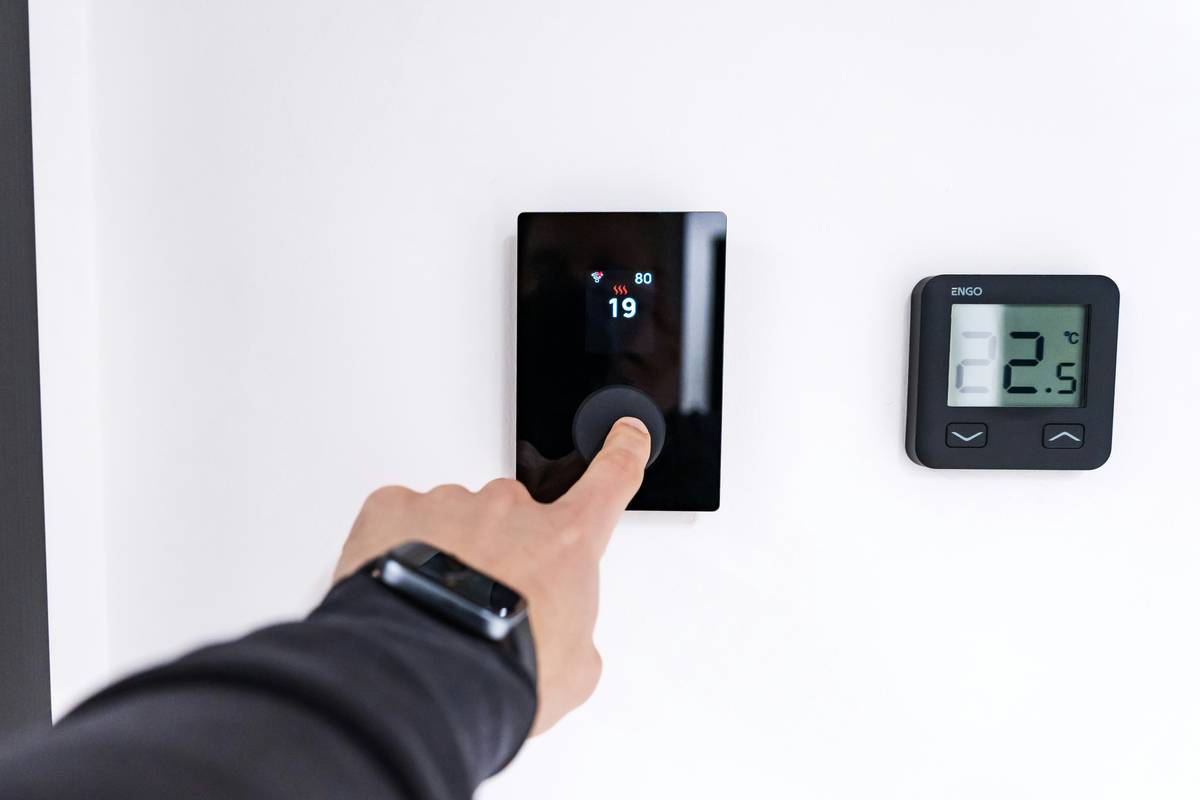
Hidden speakers in ceiling baffles. Thermostats disguised as vintage wall clocks. Motion sensors built into floor registers. If you can see the tech, you’ve already lost the mid century battle.
Prioritize One-Touch Simplicity
Guests shouldn’t need a manual. Program a single “Arrival” scene that unlocks the door, sets ambient lighting to 2700K, starts the record player (yes, really), and adjusts HVAC—all triggered by a keypad code or geofenced arrival.
Use Materials That Age Gracefully
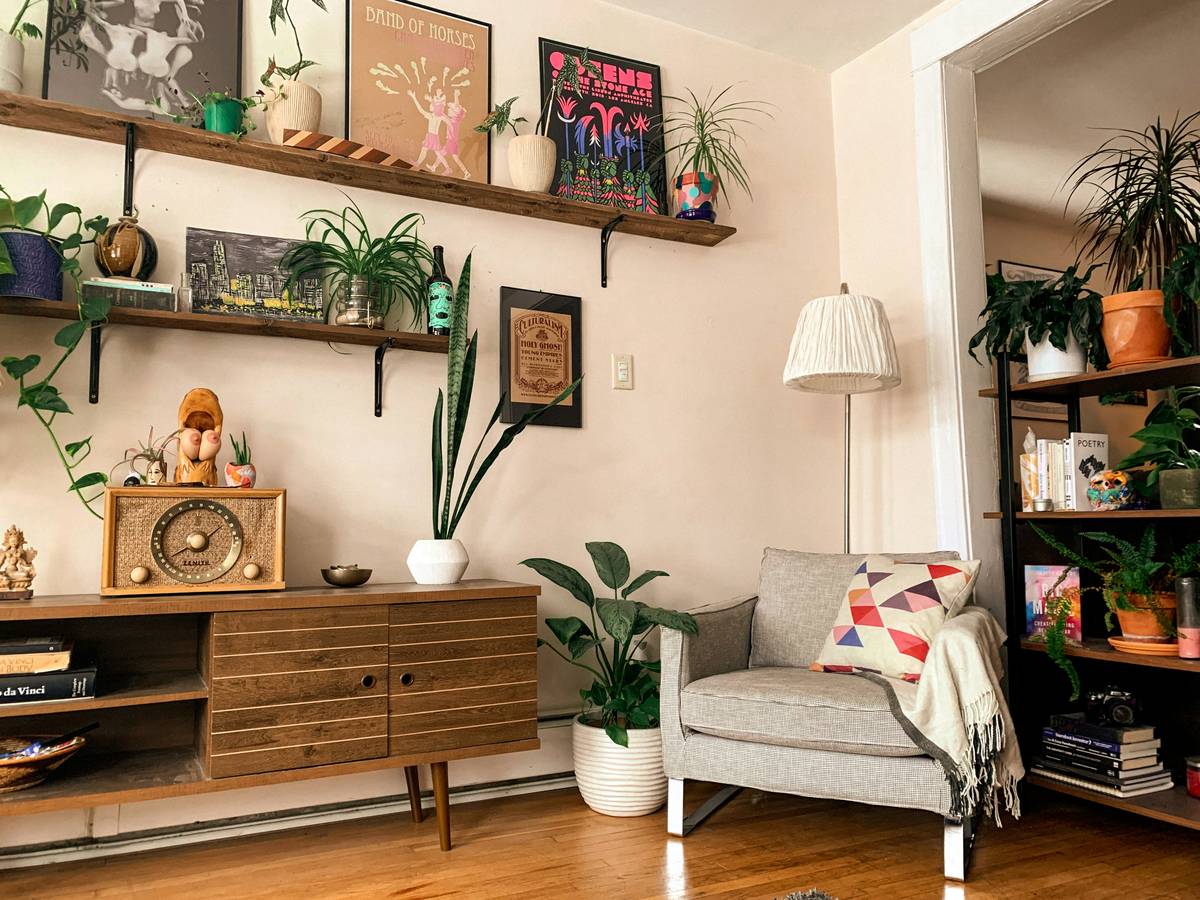
A brushed aluminum switch plate from 1962 feels at home next to a matte black smart dimmer—if they share the same thickness, finish, and mounting depth. Mismatched textures scream DIY hack, not curated experience.
| Integration Approach | Guest Experience | Upfront Cost | Maintenance Load |
|---|---|---|---|
| Bolt-on Smart Devices (e.g., Amazon Echo + Smart Plugs) | High friction, multiple apps, visual clutter | $300–$800 | High (constant resets, firmware updates) |
| Custom-Built KNX or Control4 System | Seamless, one interface, invisible hardware | $5,000–$15,000 | Low (managed remotely by integrator) |
| Hybrid Retrofit (e.g., Lutron Caséta + Sonos Architectural) | Nearly invisible, app-optional, reliable | $1,200–$3,500 | Moderate (quarterly checks) |
The Industry Secret: Program Ambiance, Not Just Function
Here’s what top-tier boutique rental operators won’t tell you: the real luxury isn’t turning lights on with your voice—it’s never thinking about them at all.
One host in Palm Springs reprograms his system weekly based on sunset times and local event calendars. During Modernism Week? Warm amber glows at 6 PM. Off-season Tuesday? Lights stay off until 7:30—because data shows solo travelers arrive later midweek. It’s not automation. It’s hospitality choreography.
And this is key: disable all “smart alerts” for guests. No notifications about open windows or detected motion. Privacy isn’t just expected—it’s part of the premium promise.
Frequently Asked Questions
Can I add smart home features without ruining mid century authenticity?
Yes—if hardware is recessed, finishes match original materials, and controls are optional. Guests should be able to enjoy the space without touching a screen.
What’s the cheapest way to start?
Replace standard switches with smart dimmers in matte black or brushed brass. Pair with in-ceiling speakers. Avoid visible hubs—tuck everything in closets or behind panels.
Do guests actually care about smart amenities?
They care when it’s effortless. 78% of luxury short-term renters expect intuitive climate and lighting control—but 63% resent complex setups. Simplicity wins.